AI is now a practical part of UX workflows, not an experimental add-on.
AI supports research, design, and personalization by improving speed and insight quality.
Human judgment remains essential for interpreting data and making user-centered decisions.
Personalization works best when it is transparent and gives users control.
Ethical design is critical when using AI, especially around privacy and trust.
The role of UX designers is evolving toward strategy, ethics, and experience leadership.
Artificial intelligence is no longer a future concept in digital design. It is already shaping how products are researched, designed, tested, and experienced. By 2026, AI has moved beyond experimentation and become a core part of UX workflows across industries, especially in SaaS products and digital platforms used by global audiences.
From speeding up research analysis to enabling more personalized interfaces, AI creates real opportunities to improve efficiency and deliver smarter user experiences. These benefits only work, however, when AI is guided by a strong UX strategy and a clear focus on real human needs.
As a UX design agency, we have seen both sides of this shift. When AI is applied thoughtfully, it improves clarity, usability, and decision making. When it is introduced without UX leadership, it often leads to confusion, mistrust, and unnecessary complexity.
The best SaaS businesses in 2026 share one thing in common. They don’t just sell software. They become part of how their customers run their business.
In this article, we’ll break down:
How AI is influencing modern UX design workflows
Where AI adds real, practical value for UX teams
How AI is changing research, prototyping, and personalization
The ethical responsibilities of designing AI-powered experiences
How the role of UX designers is evolving in an AI-driven world
This guide is written for product teams, founders, and organizations who want to use AI to genuinely improve user experience rather than simply add new features.
AI has become a practical design partner rather than a replacement for designers. Today, UX teams use AI to support faster exploration, smarter analysis, and more informed decisions throughout the design process.
AI supports modern UX design by:
Analyzing large datasets in seconds
Identifying patterns in user behavior
Automating repetitive or time-consuming tasks
Supporting rapid design exploration and iteration
Instead of spending excessive time on manual analysis or repetitive production work, designers can focus on higher-value activities such as problem definition, experience strategy, and validation.
The key shift in 2026 is this:
AI handles speed and scale, while designers focus on meaning and clarity.
UX research has traditionally been one of the most time-intensive parts of the design process. Interviews, surveys, usability tests, analytics, and feedback reviews generate massive amounts of data that take weeks to synthesize.
AI is significantly changing this stage.
AI tools now help teams:
Analyze user feedback at scale
Cluster responses by sentiment or theme
Detect recurring usability issues
Identify patterns that might be missed manually
Predict potential drop-off points in user journeys
This doesn’t eliminate the need for qualitative research. Instead, it allows researchers and designers to reach insights faster, so more time can be spent validating solutions and testing improvements.
While AI can surface patterns, it cannot fully understand context, emotion, or intent. Human interpretation remains essential—especially when designing for diverse global audiences with different expectations, cultures, and behaviors.
AI accelerates insight discovery; designers ensure insight relevance.
Design exploration is another area where AI is having a noticeable impact. In 2026, designers increasingly use AI to move from ideas to prototypes faster than ever before.
Designers now use AI to:
Generate layout and interface variations
Explore different UI structures quickly
Create early wireframes from rough ideas
Test assumptions before investing in development
This enables faster iteration cycles and encourages experimentation without increasing risk.
Faster prototyping means teams can:
Validate ideas earlier
Reduce costly redesigns later
Align stakeholders sooner
Make decisions based on evidence, not assumptions
AI doesn’t design the experience on its own—it expands the design space and helps teams explore more options efficiently.
One of the most visible effects of AI in UX design is personalization. Interfaces are no longer static; they adapt based on user behavior, preferences, and context.
Designers now use AI to:
Smarter default settings
Personalized content and recommendations
Context-aware UI changes
More relevant user journeys
When done well, personalization reduces friction and helps users achieve their goals faster.
However, personalization also raises important questions:
Why is the interface changing?
What data is being used?
Can users control or override AI decisions?
For global products, transparency and user control are essential. Users must feel informed and empowered, not monitored or manipulated.
Good UX design makes AI behavior understandable and predictable.
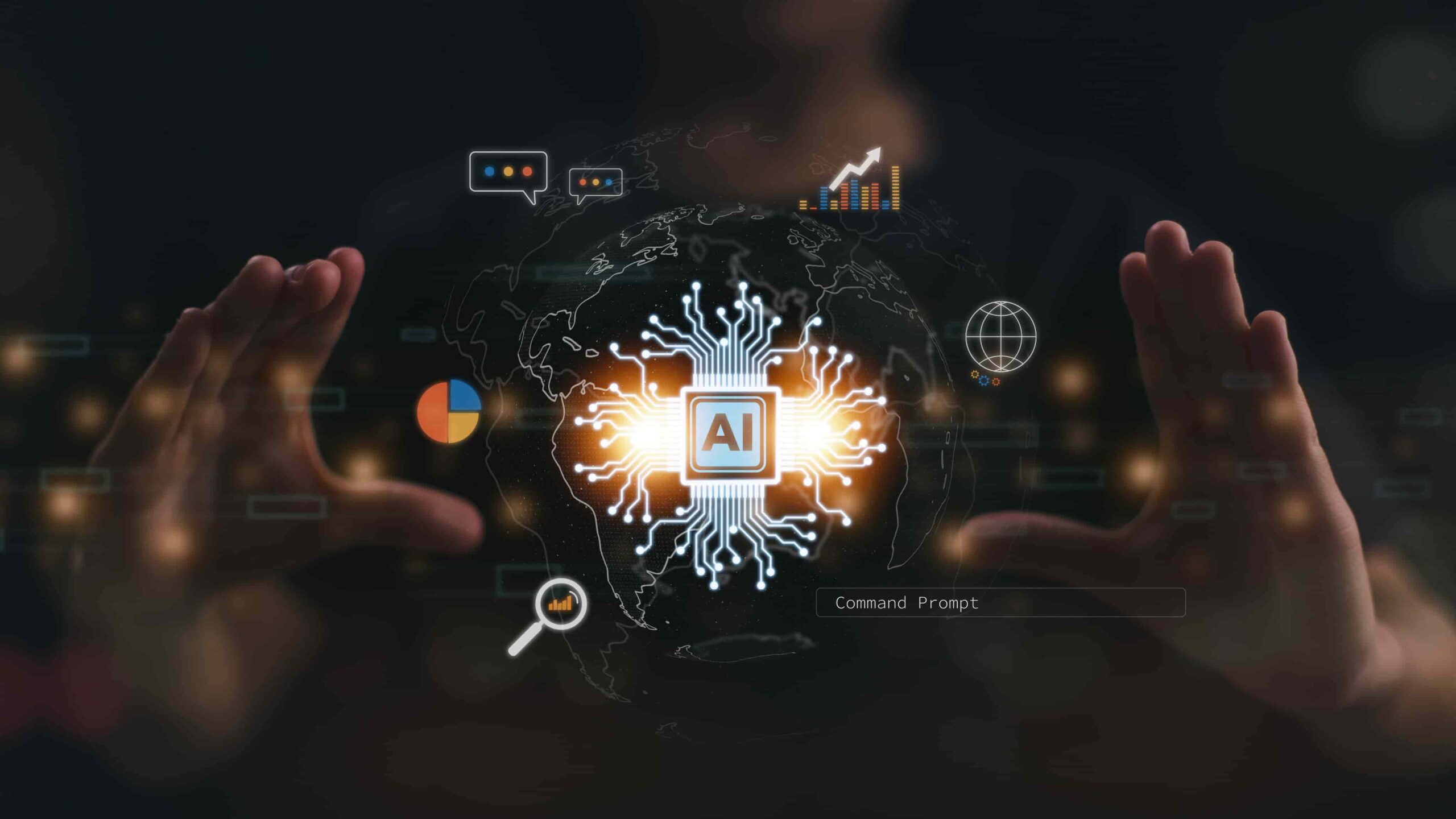
As AI becomes more integrated into user experiences, ethical responsibility becomes a core part of UX design—not an afterthought.
UX teams must actively address:
Data privacy: Users need clarity on what data is collected and why
Bias prevention: AI systems can unintentionally reinforce bias
Transparency: Users should understand when AI is influencing decisions
Over-automation: Not every decision should be handled by AI
Designers play a crucial role in ensuring AI supports users rather than overwhelming or confusing them.
Ethical UX design protects long-term trust, which is essential for any successful product.
In 2026, UX designers are no longer focused solely on screens and layouts. Their role has expanded significantly as AI becomes part of the product experience.
UX teams must actively address:
Experience strategists
System thinkers
Ethical decision-makers
Human advocates in AI-powered products
Designers help define when AI should step in, when it should stay out, and how its behavior should be communicated to users.
AI provides intelligence. Designers provide judgment.
However, personalization also raises important questions:
Why is the interface changing?
What data is being used?
Can users control or override AI decisions?
For global products, transparency and user control are essential. Users must feel informed and empowered, not monitored or manipulated.
Good UX design makes AI behavior understandable and predictable.
The most successful AI-powered products don’t feel “technical” or “automated.” They feel natural, supportive, and easy to use.
Human-centered AI UX focuses on:
Clear feedback and explanations
Predictable behaviorIncrease user satisfaction and retention
Simple, intuitive controls
Respect for user autonomy
The goal isn’t to impress users with AI—it’s to quietly help them succeed.
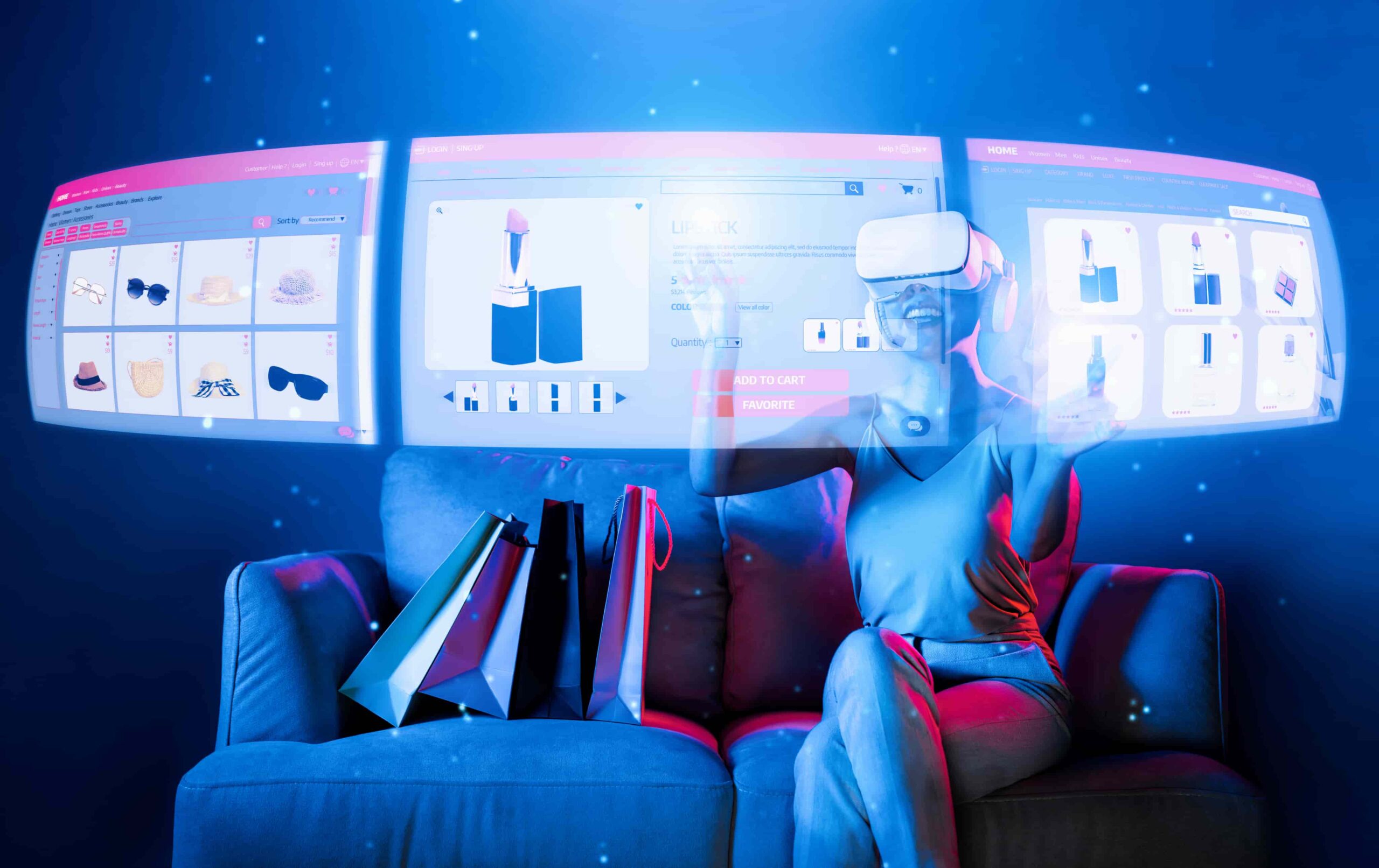
AI is transforming UX design worldwide, but technology alone does not create great experiences. The products that stand out in 2026 are those that combine AI efficiency with thoughtful, user-centered design.
When guided by strong UX principles, AI becomes a powerful tool for clarity, personalization, and scale. When used without care, it quickly becomes a source of confusion and mistrust.
For product teams and organizations, the real challenge is not adopting AI—it’s designing AI experiences that remain human, ethical, and genuinely useful.
In this article, we’ll break down:
What defines a top SaaS business in 2026
The most successful SaaS categories
Real-world SaaS business models that are winning
How new SaaS founders can compete and scale