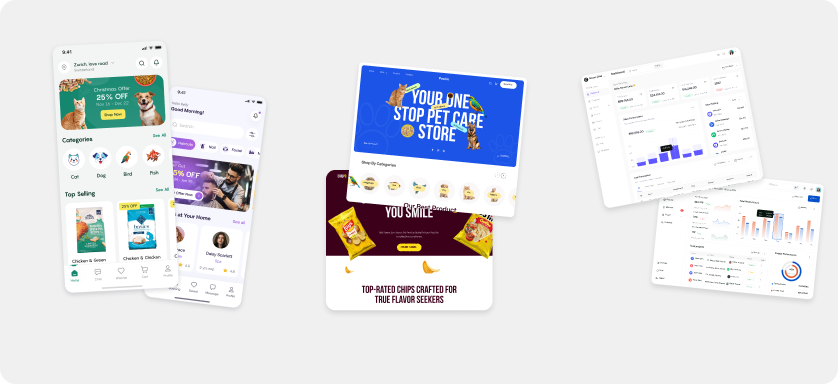
Design systems are essential for scaling SaaS products without losing consistency or usability.
A strong design system creates a shared foundation for design, development, and product teams.
Reusable components and clear guidelines reduce design debt and speed up product delivery.
Design systems improve collaboration, onboarding, and long-term maintainability.
Accessibility and consistency are easier to achieve when they are built into the system from the start.
Treating a design system as a living product helps teams adapt as the SaaS product grows.
As SaaS products continue to grow in complexity, design consistency has become a critical challenge. In 2026, users interact with products across web apps, mobile platforms, dashboards, and admin tools, often multiple times a day. When design decisions are inconsistent, the experience quickly feels fragmented and difficult to use
For product teams, this leads to slower development, growing design debt, and frustrated users. For businesses, it often results in lower adoption and reduced trust.
From our experience working with SaaS teams worldwide, a well built design system is often the turning point between a product that struggles to scale and one that grows smoothly. A design system is not just about visual consistency. It is about creating a shared foundation that supports better UX, faster development, and long term product stability.
In This Article, We’ll Break Down
What a design system really is and what it is not
Why design systems are essential for scaling SaaS products
How design systems improve UX and team collaboration
What makes a strong design system in 2026
Best practices for building and maintaining a design system
This guide is written for product teams, founders, and organizations looking to use AI to improve user experience—not just add features.
A design system is a centralized collection of reusable components, design rules, interaction patterns, and documentation that guide how a product is designed and built.
Unlike a simple UI kit or style guide, a design system is a living system that evolves with the product. It aligns designers, developers, and product teams around a single source of truth.
A design system typically includes:
Design tokens for colors, typography, spacing, and motion
A component library with defined states and behaviors
Interaction and accessibility guidelines
Clear documentation for usage and best practices
When used correctly, a design system removes guesswork and creates consistency across every part of the product.
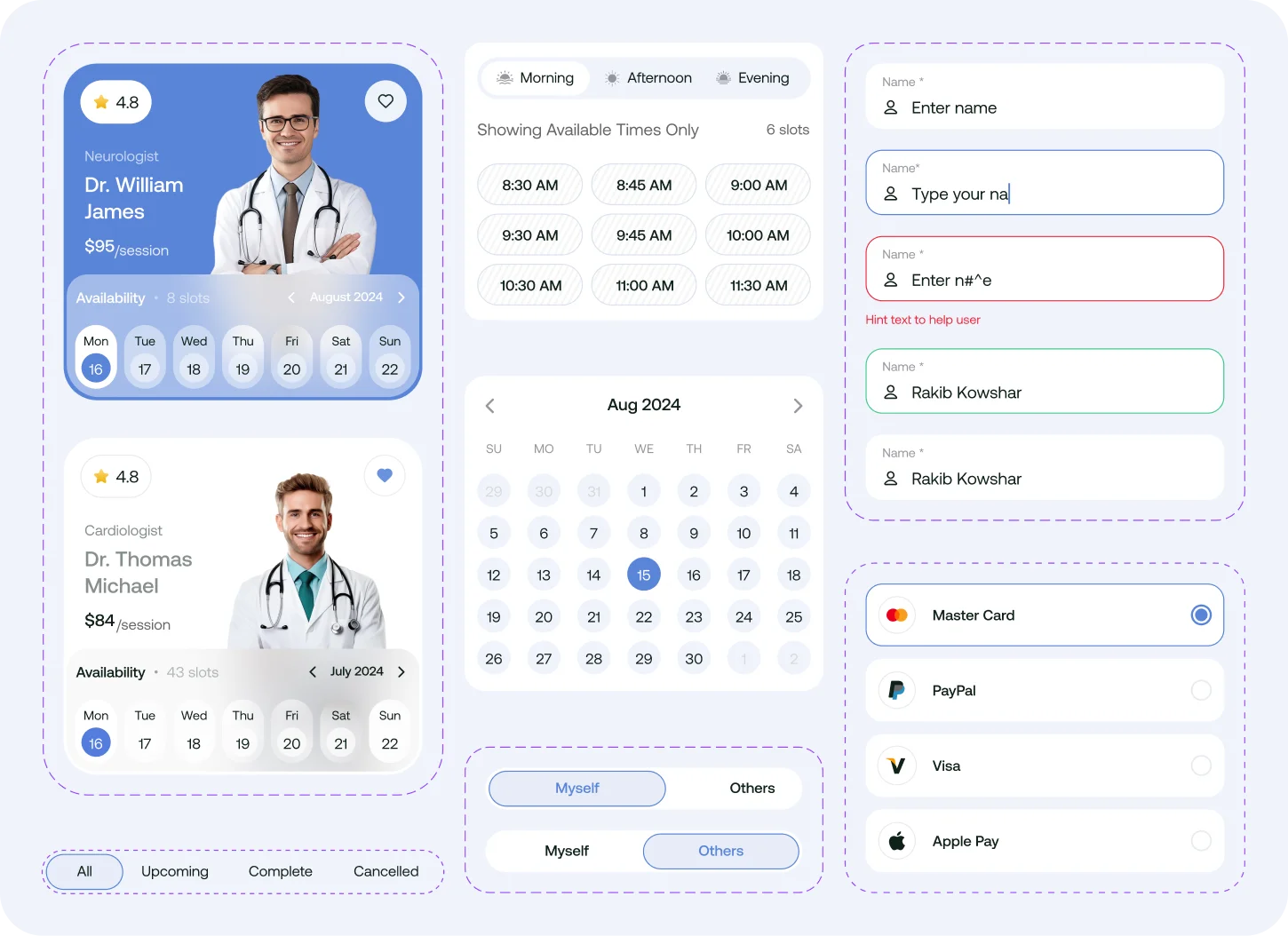
Consistency Across Platforms
Modern SaaS products are rarely limited to one interface. Users may access the same product through web dashboards, mobile apps, or internal tools. A design system ensures that these experiences feel connected and familiar.
This consistency:
Reduces learning time for users
Improves usability and trust
Creates a more professional and reliable product experience
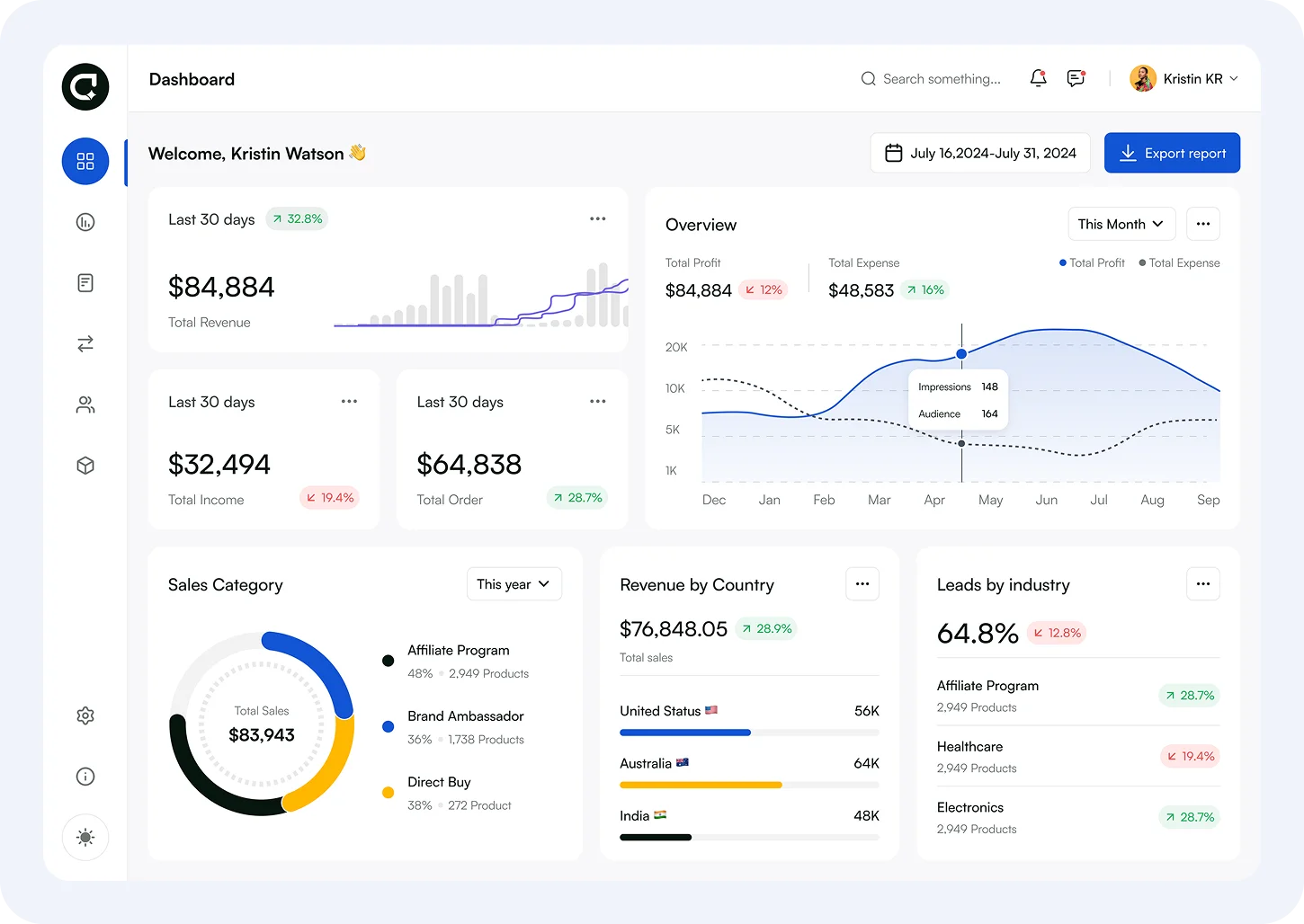
Without a design system, teams often redesign the same elements repeatedly. This slows down delivery and introduces inconsistencies.
With a design system:
Designers reuse approved components instead of starting from scratch
Developers build faster using standardized patterns
Teams reduce rework and UI related bugs
This speed is especially important for SaaS teams releasing features continuously.
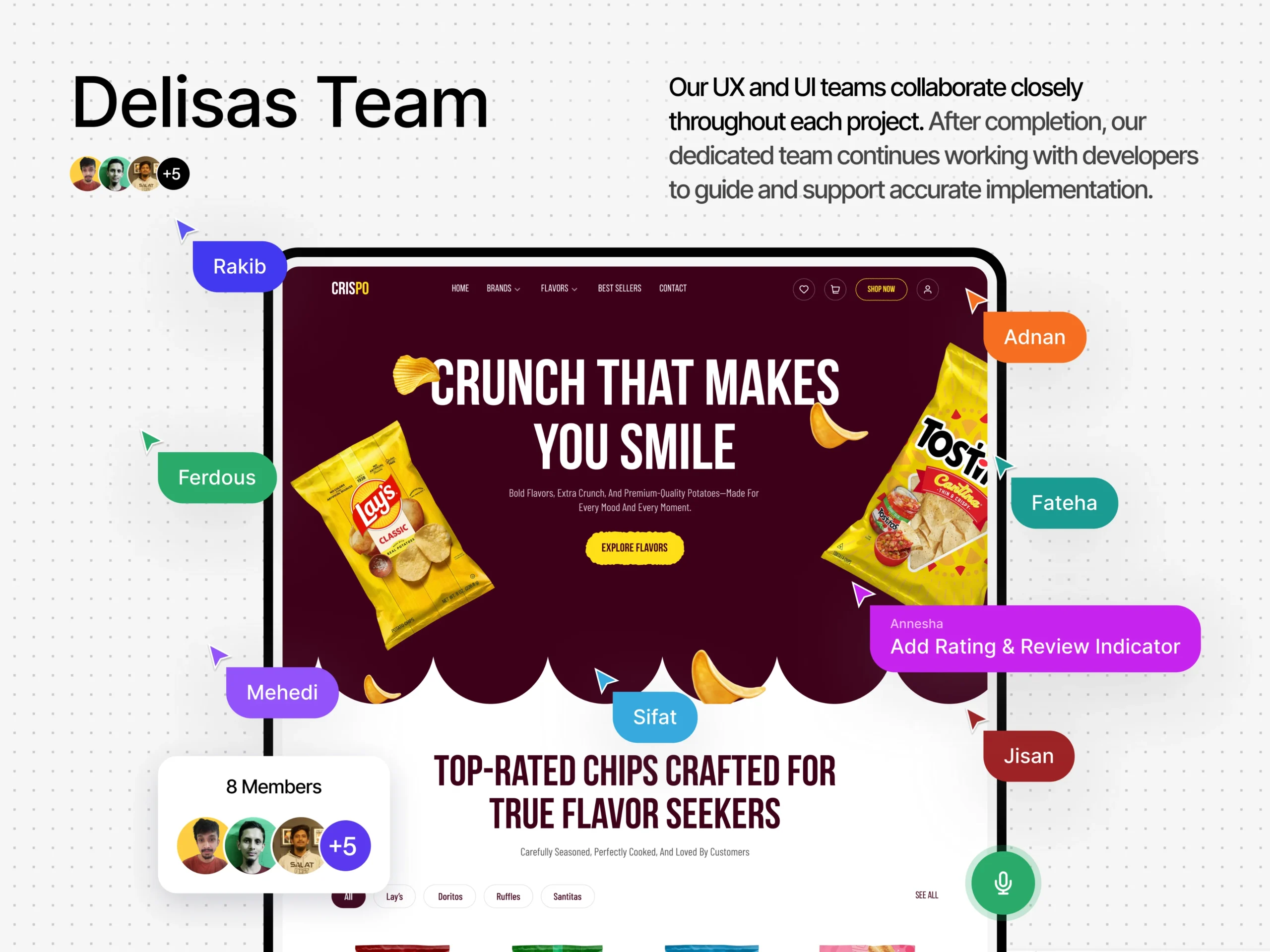
Design systems act as a shared language between designers, developers, and product managers.
They help teams:
Align faster on design decisions
Reduce misunderstandings during handoff
Onboard new team members more easily
Clear documentation and shared standards keep everyone working in the same direction.
In 2026, accessibility is no longer optional. Global products must serve users with different abilities, devices, and environments.They help teams:
A design system helps teams:
Build accessibility into components from the start
Maintain consistent contrast, typography, and interaction patterns
Reduce accessibility issues over time
This leads to more inclusive experiences and fewer fixes later.
A scalable SaaS design system should include:
Shared values for color, spacing, typography, and motion
Used consistently across design and code
Buttons, forms, tables, modals, navigation
Clear states such as hover, active, disabled, loading, and error
How components behave in real use cases
Rules for transitions, feedback, and error handling
Clear usage instructions
Do and do not examples
Accessibility notes
Ownership and review process
Version updates and change management
Guidelines for adding or updating components
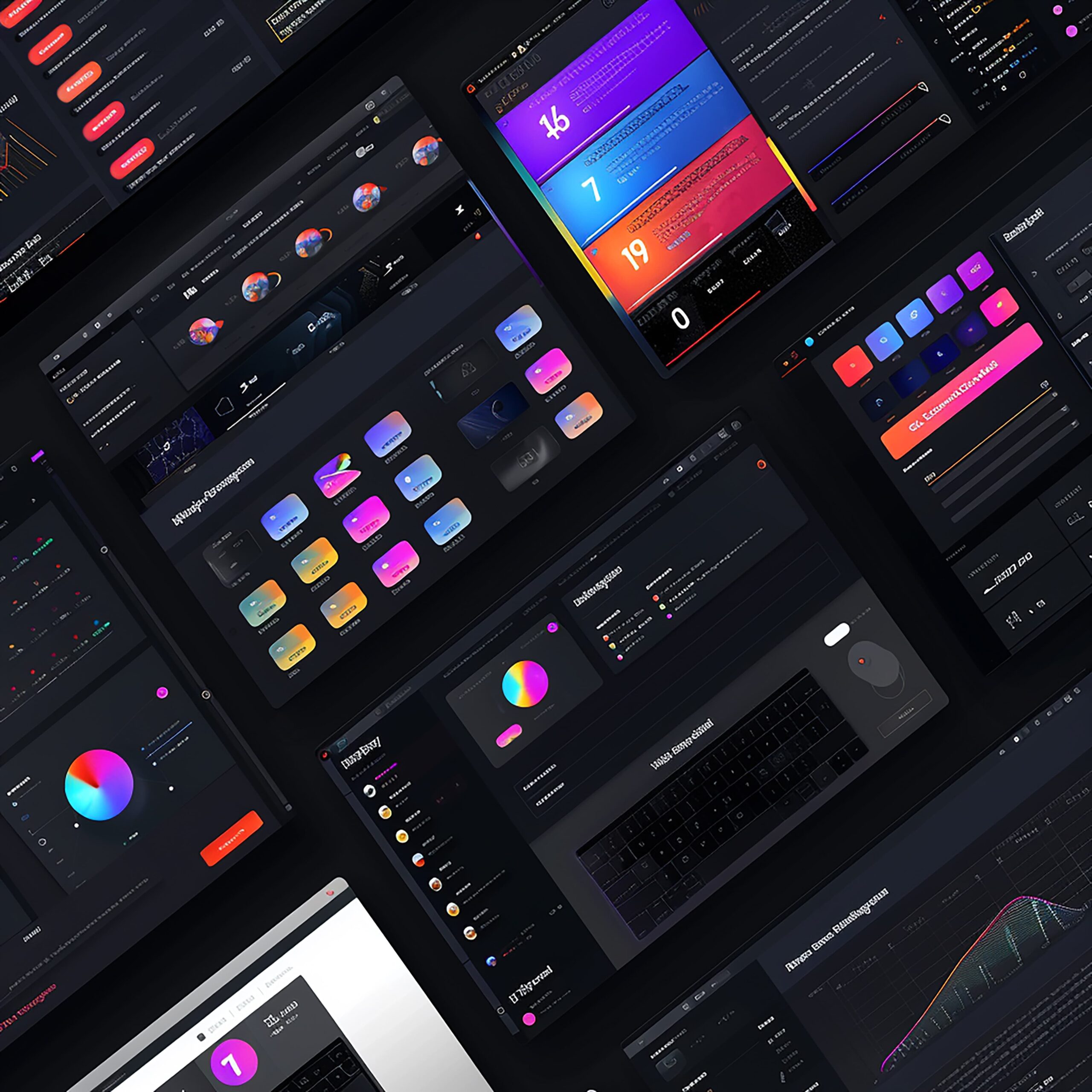
For SaaS businesses, design systems deliver measurable value.
They help:
Reduce long term design and development costs
Improve product quality and consistency
Increase user satisfaction and retention
Support faster scaling as teams grow
Design systems reduce design debt and make growth more sustainable.
Start with the most used components
Build collaboratively with design and development teams
Keep documentation simple and practical
Treat the design system as a product, not a one time task
Continuously improve based on real usage and feedback
A design system succeeds when teams actually use it and trust it.
In 2026, design systems are no longer optional for SaaS products. They are a foundation for scalability, usability, and long term success.
Teams that invest in strong design systems move faster, collaborate better, and deliver more consistent user experiences. Most importantly, they build products that users trust and enjoy using.
For SaaS companies looking to scale without losing quality, a design system is one of the smartest investments they can make.